
A hospital elevator is more than a transport tool; it is a lifeline that guarantees seamless patient flow, timely delivery of medical resources, and staff mobility across multiple floors. Any downtime, even for a few minutes, can disrupt critical operations. Therefore, proper maintenance is vital to ensure 24/7 reliability. This article outlines practical recommendations for keeping hospital elevators safe, efficient, and dependable.
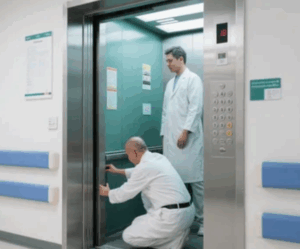
I. The Importance of Hospital Elevator Maintenance
- Impact on Patient Care
When a hospital elevator breaks down, patients may face delays in reaching operating rooms or diagnostic areas. Studies show that even a 5-minute delay in critical care transfer can increase mortality risk by 7–10%. Regular maintenance prevents such disruptions.
- Financial Considerations
The cost of emergency elevator repair can exceed USD 2,000 per incident, while scheduled maintenance is often less than one-third of that. Preventive care ensures financial savings while protecting lives.
II. Core Maintenance Practices for Hospital Elevator
- Scheduled Inspections
Every hospital elevator should undergo a full inspection at least once per month, checking brakes, cables, sensors, and emergency communication systems. These checks help detect minor faults before they escalate into major failures.
- Cleaning and Lubrication
Dust and debris accumulation can reduce motor efficiency by up to 15%. Proper cleaning and lubrication of moving parts not only extends lifespan but also ensures smoother rides for patients on stretchers or wheelchairs.
- Load Testing
Hospital elevators often carry loads exceeding 1,600 kg, including patients, beds, staff, and equipment. Annual load testing ensures the system can safely handle maximum capacity without compromising safety.
III. Enhancing Safety Through Technology
- Emergency Backup Systems
A hospital elevator should always be equipped with an uninterrupted power supply (UPS) or backup generators. This ensures safe operation during power failures, especially in intensive care or emergency transfers.
- Real-Time Monitoring
Installing smart sensors and remote diagnostic systems helps track performance 24/7. For example, vibration sensors can detect misalignment early, reducing downtime by up to 40%.
- Alarm and Communication Functions
A working intercom system inside the hospital elevator allows patients and staff to contact maintenance teams immediately in case of entrapment, ensuring quick response and reassurance.
IV. Staff Training and Maintenance Protocols
- Training for Elevator Use
Nurses, transport teams, and security staff should be trained on safe usage, such as not exceeding weight limits and reporting unusual sounds or delays. This proactive reporting accounts for over 30% of fault detection in many hospitals.
- Collaboration with Certified Technicians
Only certified professionals should handle hospital elevator maintenance. Partnering with licensed contractors ensures compliance with safety standards and extends service life.
- Documentation and Record-Keeping
Maintaining detailed logs of inspections, repairs, and incidents helps track trends and prevent repeat failures. Hospitals that maintain strict documentation report 20% fewer breakdowns annually.
V. Long-Term Reliability Strategies for Hospital Elevator
- Upgrading Outdated Systems
Elevators older than 20 years may face frequent malfunctions. Retrofitting with modern controllers, safety brakes, and energy-efficient motors improves both reliability and sustainability.
- Budgeting for Preventive Maintenance
Allocating 2–3% of facility operational costs to elevator maintenance ensures hospitals are prepared financially for both routine service and emergencies.
- Patient Experience and Trust
A reliable hospital elevator is not just a machine; it reassures patients and families that the hospital values safety. Smooth rides, minimal waiting times, and dependable function contribute to an overall positive patient experience.
Conclusion
In conclusion, a hospital elevator is indispensable to hospital functionality, patient safety, and operational efficiency. By following structured maintenance practices—ranging from monthly inspections to real-time monitoring—hospitals can prevent breakdowns, reduce costs, and guarantee 24/7 service. Investing in preventive strategies, staff training, and timely upgrades ensures that hospital elevators remain reliable lifelines, supporting patient care every minute of the day.
0