
In high-intensity sports such as cycling, running, skiing, and outdoor training, athletes rely heavily on visual input to maintain speed, coordination, and safety. However, prolonged exposure to sunlight, glare, wind, and rapidly changing environments can quickly lead to eye fatigue. This not only reduces visual comfort but also slows reaction time and affects overall performance. Sport sunglasses are specifically designed to reduce these visual stresses by improving light control and stabilizing vision. Advanced designs developed by a sports sunglasses manufacturer focus on optimizing optical comfort so athletes can maintain peak performance for longer periods without excessive eye strain.
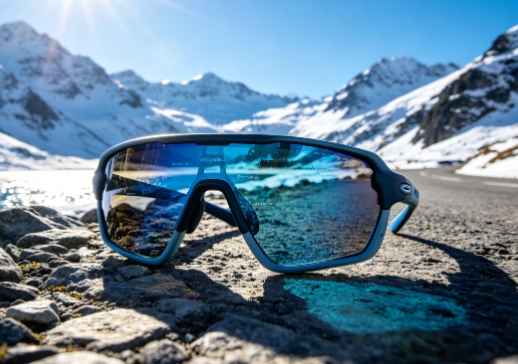
Reducing Glare to Minimize Visual Strain
One of the primary causes of eye fatigue in outdoor sports is excessive glare from reflective surfaces.
- Sport sunglasses use polarized lenses to block horizontally reflected light from roads, water, and snow, which are common sources of intense glare.
- By reducing harsh reflections, the eyes do not need to constantly adjust, significantly lowering muscular strain in the eye area.
- Consistent light filtering helps maintain stable brightness levels, preventing sudden exposure changes that can cause discomfort and fatigue.
This controlled visual environment allows athletes to maintain clearer and more relaxed vision during extended activity.
Maintaining Stable Light Exposure in Changing Conditions
Outdoor sports often involve rapidly shifting light conditions, which can force the eyes to constantly adapt.
- Photochromic lenses automatically adjust tint levels based on sunlight intensity, reducing the need for continuous eye adaptation.
- Balanced light transmission ensures that the eyes receive consistent brightness levels in both shaded and bright environments.
- Transition stability prevents sudden brightness spikes that can cause temporary visual overload and fatigue.
- Many advanced models from a sports sunglasses manufacturer are engineered to maintain optimal light balance during continuous movement.
This stability helps reduce visual workload and keeps the eyes more relaxed throughout the activity.
Enhancing Visual Contrast and Reducing Eye Effort
Eye fatigue often increases when the brain struggles to interpret unclear or low-contrast visual information.
- High-contrast lens technology enhances the distinction between terrain, objects, and background elements.
- Improved edge definition allows athletes to recognize obstacles more quickly without excessive visual focus or strain.
- Color-enhancing filters help improve depth perception, reducing the effort required to interpret complex environments.
By improving visual clarity, sports sunglasses reduce the cognitive load placed on the eyes during sports performance.
Blocking Harmful UV Rays and Environmental Stress
Continuous exposure to UV radiation and environmental factors is a major contributor to long-term eye fatigue.
- Sport sunglasses provide full UV400 protection, blocking both UVA and UVB rays that can cause eye strain and long-term damage.
- Protective lens coatings reduce the impact of wind, dust, and airborne particles that irritate the eyes during outdoor sports.
- Hydrophobic surfaces prevent water and sweat buildup, ensuring uninterrupted visibility in wet or high-intensity conditions.
- High-quality designs developed by a sports sunglasses manufacturer integrate multi-layer protection systems to safeguard visual comfort in extreme environments.
These protective features significantly reduce external stress factors on the eyes.
Improving Focus Through Ergonomic and Optical Design
Comfortable eyewear design also plays a key role in preventing eye fatigue during prolonged use.
- Lightweight frames reduce pressure on the face, allowing athletes to maintain focus without physical discomfort.
- Ergonomic curvature ensures lenses align naturally with the eyes, minimizing distortion and unnecessary eye movement.
- Anti-reflective coatings reduce internal lens reflections that can distract or strain the eyes.
- Secure fit systems prevent constant adjustment, allowing uninterrupted visual concentration during activity.
These design elements help maintain both physical comfort and visual efficiency.
Conclusion
Sport sunglasses play a crucial role in preventing eye fatigue for athletes by reducing glare, stabilizing light exposure, enhancing visual contrast, blocking harmful UV rays, and improving ergonomic comfort. These combined benefits help reduce the continuous strain placed on the eyes during high-intensity and long-duration sports activities. With advanced optical engineering and performance-focused design, modern sport sunglasses—especially those developed by a sport sunglasses manufacturer—provide essential protection and comfort, enabling athletes to perform longer, safer, and with greater visual clarity.
0