
In modern food production, both taste and shelf life are two of the most important factors that determine a product’s success in the market. Consumers expect food that is not only delicious and consistent in flavor but also safe and stable over time. These outcomes are largely shaped by carefully selected food ingredients. From enhancing aroma and texture to preventing spoilage and oxidation, ingredients play a central role in product formulation. Working with an experienced food ingredient supplier helps manufacturers access high-quality raw materials that ensure both sensory performance and long-term stability in competitive food markets.
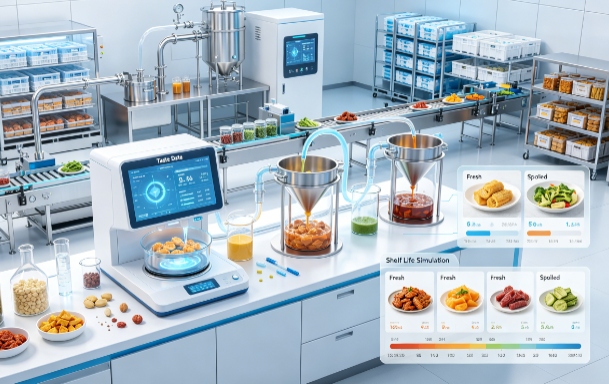
1. How Food Ingredients Shape Flavor Profiles and Sensory Experience
Taste is one of the most direct ways consumers evaluate food quality, and ingredients are the foundation of flavor development.
- Flavor creation and enhancement: Natural and artificial flavoring agents are used to build specific taste profiles such as sweet, savory, sour, or umami. These ingredients allow manufacturers to design consistent flavors across large production batches.
- Balance and masking effects: Certain ingredients help balance bitterness, reduce off-notes, or mask undesirable tastes from functional additives like vitamins or proteins. This ensures a smoother and more enjoyable eating experience.
- Aroma impact: Volatile compounds in ingredients significantly influence how food smells, which directly affects perceived taste even before consumption begins.
In practice, a skilled formulation supported by a reliable food ingredient supplier allows manufacturers to fine-tune sensory attributes and create products that stand out in crowded markets.
2. Enhancing Texture, Mouthfeel, and Product Enjoyment
Beyond taste, texture plays a critical role in how consumers perceive food quality and satisfaction.
- Structural improvement: Emulsifiers and stabilizers help maintain uniform texture in products like sauces, dressings, and dairy alternatives, preventing separation or graininess.
- Mouthfeel enhancement: Thickening agents and hydrocolloids contribute to creaminess, elasticity, or chewiness depending on the product type. For example, baked goods rely on gluten-supporting ingredients for softness and structure.
- Consistency across production: Standardized ingredient formulations ensure that each batch delivers the same eating experience, which is essential for brand reliability.
These functional improvements demonstrate how ingredient selection directly affects consumer enjoyment and repeat purchase behavior.
3. Extending Shelf Life Through Preservation and Stability Control
Shelf life is determined by how well a product resists spoilage, and food ingredients play a vital role in controlling degradation processes.
- Microbial inhibition: Preservatives such as organic acids or natural antimicrobial agents slow down the growth of bacteria, yeast, and mold, keeping products safe for longer periods.
- Oxidation prevention: Antioxidants protect fats, oils, and sensitive nutrients from oxidation, which helps maintain flavor, color, and nutritional value over time.
- Moisture and water activity control: Humectants and moisture-regulating ingredients reduce water availability, preventing microbial growth and texture deterioration.
These mechanisms work together to ensure that products remain stable from production to consumption, especially in long-distance global distribution.
4. Ingredient Interaction and Its Impact on Product Stability
The way ingredients interact with each other can significantly influence both taste and shelf life.
- Synergistic effects: Some ingredients work better together, enhancing flavor intensity or improving preservation efficiency when combined properly.
- Chemical stability considerations: Incompatible ingredients may cause separation, discoloration, or flavor degradation, which can reduce product quality over time.
- pH and environmental sensitivity: Adjusting acidity levels using specific ingredients helps control microbial growth and maintain flavor stability under different storage conditions.
Understanding these interactions is essential for food manufacturers, and many rely on a professional food ingredient supplier for technical support in formulation design.
5. Role of Ingredient Quality and Supply Chain Consistency
The quality of ingredients directly determines the final performance of both taste and shelf life.
- Raw material purity: High-quality ingredients reduce the risk of off-flavors, contamination, and inconsistent product results.
- Batch-to-batch consistency: Stable sourcing ensures that each production cycle delivers identical sensory and preservation outcomes.
- Supply chain control: Proper storage, transportation, and handling conditions prevent ingredient degradation before they reach production facilities.
Consistent quality control across the supply chain is essential for maintaining both consumer satisfaction and regulatory compliance.
Conclusion
Food ingredients have a profound influence on both taste and shelf life, shaping everything from flavor development and texture to preservation and product stability. Through careful selection and formulation, manufacturers can create food products that are both enjoyable and long-lasting. A dependable food ingredient supplier plays a key role in providing high-quality materials and technical support that ensure consistent performance. As consumer expectations continue to rise, ingredient innovation will remain a driving force in delivering better-tasting, safer, and more stable food products.
0