
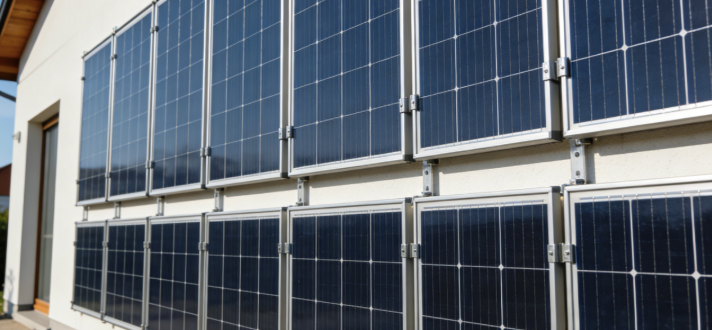
With the increasing adoption of photovoltaic technology and the push for renewable energy, many building owners are exploring alternative installation options. Wall solar panel systems offer a solution beyond traditional rooftops, particularly suitable for urban buildings, commercial facades, and homes with limited roof space. Compared to rooftop installations, wall-mounted solar panels have specific considerations regarding orientation, sunlight exposure, and structural safety, requiring careful planning and professional design.
I. Feasibility of Wall Solar Panel Installation
Installing solar panels on walls is a practical solution, but comes with several important factors to consider.
1. Sunlight Exposure
The primary limitation for wall solar panel systems is sunlight intensity and angle. Ideally, the wall should face south or southwest to maximize solar exposure throughout the year. Unlike rooftops, walls may receive less direct sunlight, making a detailed solar analysis essential based on local climate and surrounding structures.
2. Structural Support and Load Bearing
Wall-mounted panels require strong supporting frames or bracket systems to remain stable under wind, rain, and external forces. The wall itself must be able to bear the weight of the panels and the additional stress from long-term use.
II. Installation Methods for Wall Solar Panels
Different building types and wall conditions require tailored installation approaches.
1. Vertical Wall Mounting
Vertical or slightly tilted mounting is the most common approach for wall solar panel installations. This method works well for residential or commercial buildings with sufficient wall space, allowing for a clean and integrated facade design.
2. Tilted Wall Mounting
In some cases, adjustable tilted brackets can improve solar capture by optimizing the angle of the panels. While this can increase energy generation, it requires a more robust supporting system to ensure safety and stability.
III. Advantages and Limitations of Wall Solar Panels
Wall-mounted solar panels offer several benefits but also have inherent limitations.
1. Advantages
- Flexible space utilization: Ideal for buildings with limited or unsuitable roof space.
- Aesthetic integration: Panels can be designed to complement the building’s exterior.
- Easier maintenance: Wall-mounted systems are more accessible for cleaning and inspections.
2. Limitations
- Lower energy output potential: Wall orientation and shading may reduce sunlight exposure compared to rooftops.
- Higher structural demands: Panels need strong brackets to withstand wind loads.
- Complex solar analysis: Building orientation and the surrounding environment must be carefully evaluated.
IV. Key Considerations When Choosing Wall Solar Panels
When selecting panels and suppliers for wall installations, several factors are crucial.
1. Module Performance
High-efficiency panels with low degradation rates are recommended to offset potential reductions in sunlight exposure.
2. Support and Safety Systems
Brackets and mounting systems should be compatible with wall structures and meet standards for wind resistance, waterproofing, and durability.
3. Supplier Expertise
A professional wall solar panel supplier should provide technical guidance, structural assessment, and after-sales support to ensure the long-term reliability of the installation.
Conclusion
Installing solar panels on walls is a viable option, but it requires careful consideration of sunlight exposure, wall strength, mounting systems, and panel orientation. With proper planning and professional design, wall solar panel systems can effectively utilize building facade space, provide renewable energy, and contribute to energy savings and sustainability goals for both residential and commercial buildings.
0