
Trash cans are among the important products used at home, offices, hotels, restaurants, and other places. In selecting a suitable supplier, there is more to just comparing the prices for those who buy in bulk. The quality of the product, design alternatives, production capabilities, and ability to deliver can determine buying choices. A responsible trash can manufacturer should be capable of meeting varying market demands without compromising product standards.
Knowledge of the following can come in handy when making a choice of suppliers.
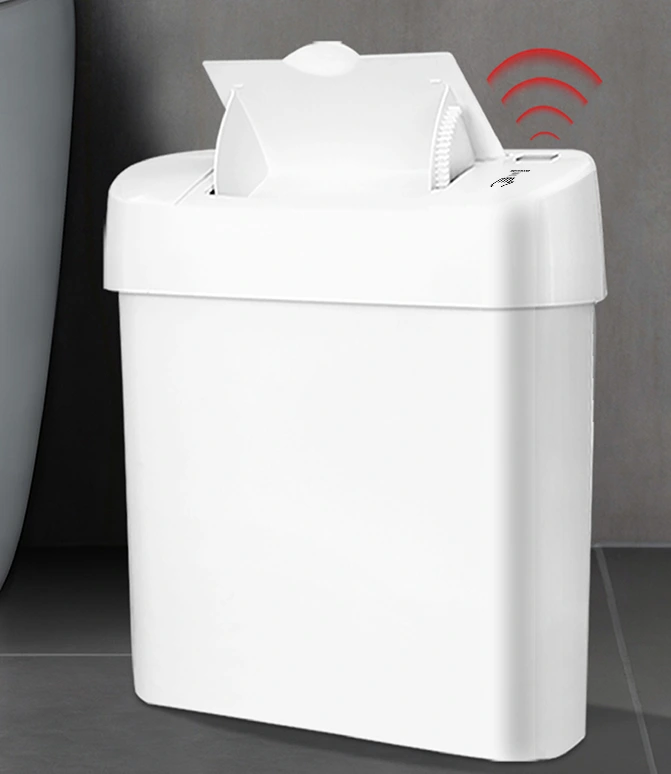
1. A Diverse Product Range for Different Markets
Different environments will call for different waste containers. A supplier with a wide variety of products will be able to satisfy customers’ needs through one vendor only.
Common Types of Trash Cans
| Product Type | Typical Applications | Key Features |
| Automatic Sensor Bins | Homes, hotels, offices | Hands-free operation and convenient use |
| Wall-Mounted Bins | Bathrooms, kitchens, commercial spaces | Space-saving installation |
| Pedal Bins | Kitchens, workplaces, healthcare facilities | Foot-operated lids for improved hygiene |
| Freestanding Bins | Offices, public areas, commercial buildings | Flexible placement and varied capacities |
In evaluating a trash can manufacturer, customers must look at whether its selection of products suits the intended market. This is because household customers are mostly concerned about appearance and size, while commercial customers are more concerned about durability and maintainability.
2. Material Quality and Manufacturing Standards
Material selection plays an important role in the lifespan of a bin, as well as in its design and maintenance requirements. Waste bins are typically manufactured from materials such as plastic and stainless steel.
Plastic bins tend to be lightweight and are available in many designs and colors. Stainless steel bins appear rather contemporary and easy to clean.
What to Check Before Placing an Order
Buyers should review several quality-related factors:
- Material consistency: Make sure that the content is appropriate for the purpose and use.
- Structural durability: Examine the lid, hinges, pedal mechanism, and overall construction.
- Surface finish: Look for smooth edges, consistent colors, and defects that could affect usability.
- Quality inspection: Ask about incoming material checks, production inspections, and finished-product testing.
A reliable trash can manufacturer should have clear quality control procedures and be able to explain how product consistency is maintained across production batches. Obtaining product samples before placing large orders allows buyers to verify quality and performance firsthand.
3. Customization and OEM/ODM Capabilities
When it comes to businesses that make private label products or have their own brand, customization is one of the most important factors that affect their purchase decisions. The regular product could do just fine for them, but customization helps them satisfy market demands.
Customization Options to Consider
- Product colors, dimensions, and selected materials
- Brand logos and customized packaging
- Adjustments to product appearance or functional components
- Packaging configurations suited to retail or wholesale distribution
Prior to embarking on any OEM and ODM business with the trash can manufacturer, it is vital to ensure that the MOQ, sampling procedures, required tools, and production lead time have already been arranged. Another approach to take is to have the final sample approved before going into mass production in order to eliminate any potential differences.
Since not all suppliers offer the same degree of customization, customers must be able to distinguish between modification and product development.
4. Pricing, Production Capacity, and Delivery
Competitive pricing is crucial, particularly for distributors and wholesalers who buy in bulk quantities. But the cheapest per-unit price does not always translate to the greatest value.
Compare the Total Procurement Cost
When comparing quotations, consider the following elements:
- Unit price and minimum order quantity
- Packaging and shipping costs
- Applicable import duties and other fees
- Expected product lifespan and potential replacement costs
- Payment terms and production schedules
A clear quote facilitates comparison among different suppliers on an equal footing.
Assessing your supplier’s manufacturing capacity is crucial before placing an order. Before making your purchase, you need to learn their average lead time, peak period preparations, order monitoring, and reorder procedures. An expert trash can manufacturer will provide you with reasonable delivery times.
For international buyers, it is helpful to clarify packaging requirements and documents needed for exports.
5. Communication and Long-Term Supplier Support
Quality and cost of the product form part of a successful sourcing process. Effective communication helps to avoid any misunderstandings during the sampling, manufacturing, testing, and shipping processes.
Questions to Ask a Potential Supplier
Before making a commitment to purchase, customers may ask questions such as:
- Can you give us product details and samples?
- How is quality assurance done?
- What customization options do you have?
- What is the minimum order quantity, and how long does production take?
- What is your policy on defective goods and late deliveries?
Such answers will give insight into how well the supplier understands customer needs.
The reliable trash can manufacturer should offer clear product details, answer technical questions, and inform about changes in a timely manner. In case of order repetition, there should be consistency of specifications and clear quality criteria.
Conclusion
In case of selecting a professional trash can manufacturer, one should pay attention to the following factors such as the variety of products, quality of materials, opportunities for customization, and policies on prices and delivery. It is necessary to look at samples, estimate the quotation and ensure that manufacturing in big amounts is possible.
In this case, it will be easier for wholesalers, retailers, and others to find the best supplier.
0