
Choosing the right garden landscaping company is essential for creating outdoor spaces that are both visually appealing and functionally practical. Whether it is a residential garden, commercial courtyard, or large public landscape project, the quality of design and execution directly depends on the professionalism of the service provider. A reliable company should not only understand plant selection and garden aesthetics but also be capable of delivering structured planning, sustainable solutions, and long-term maintenance support. As demand for outdoor living spaces continues to grow, knowing how to evaluate a landscaping provider becomes increasingly important for property owners who want lasting value and beauty.
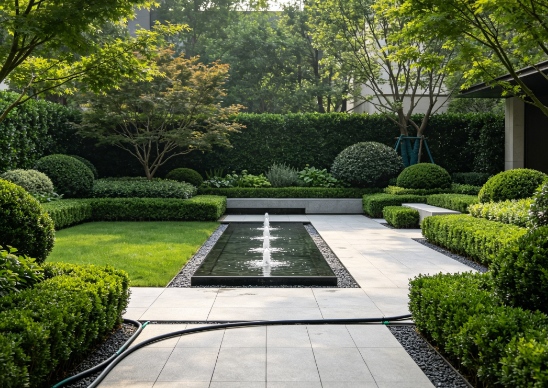
Professional Experience and Project Portfolio
One of the first things to consider when selecting a garden landscaping company is its level of experience and past project performance. Experience often reflects the company’s ability to handle different landscape challenges and environments.
- Diverse project portfolio review: A trustworthy company should showcase completed projects such as residential gardens, hotel landscapes, and commercial outdoor areas. These examples help you evaluate their design style and technical capability.
- Years of industry experience: Companies with longer operational histories are usually more capable of managing complex landscaping requirements, including terrain adjustments, irrigation systems, and plant adaptation.
- Specialization capability: Some companies may specialize in modern minimalist gardens, while others focus on tropical or classical designs. Choosing a company aligned with your style preference is important.
A strong portfolio helps ensure the garden landscaping company has the expertise needed to deliver high-quality results.
Design Capability and Customization Services
A professional landscaping provider should offer more than basic planting services. Strong design capability and customization are key indicators of quality.
- Personalized landscape planning: A good company will analyze your space size, sunlight conditions, and usage needs before creating a tailored design plan.
- 3D visualization or conceptual drawings: Many high-quality providers offer visual previews that help clients understand the final layout before construction begins.
- Integration of hardscape and softscape: This includes combining pathways, water features, lighting, and plant arrangements to create a balanced outdoor environment.
- Functional zoning design: Outdoor spaces should be divided into areas such as relaxation zones, walking paths, and decorative sections for better usability.
These design services show whether a garden landscaping company can turn ideas into practical and attractive landscapes.
Plant Selection and Environmental Adaptation
Plant quality and environmental suitability are critical factors in long-term garden success. A reliable company should demonstrate strong horticultural knowledge.
- Climate-appropriate plant selection: Plants should be chosen based on local temperature, humidity, and soil conditions to ensure healthy growth.
- Seasonal landscape planning: A well-designed garden should maintain visual appeal throughout the year using a mix of seasonal plants.
- Soil and irrigation planning: Proper soil preparation and water management systems help prevent plant failure and reduce maintenance costs.
- Sustainable planting strategies: Eco-friendly landscaping approaches reduce water usage and support long-term environmental balance.
A knowledgeable garden landscaping company ensures that plants remain healthy and visually appealing over time.
Construction Quality and Maintenance Support
Beyond design and planting, execution quality and long-term maintenance are equally important when evaluating landscaping providers.
- Construction material quality: Pathways, retaining walls, and garden structures should use durable materials suitable for outdoor conditions.
- Precision in installation work: Proper alignment of plants, irrigation systems, and lighting installations reflects professional workmanship.
- Post-project maintenance services: Reliable companies often provide pruning, fertilization, pest control, and seasonal maintenance packages.
- Long-term care guidance: Clients should receive clear instructions on watering schedules, trimming methods, and general plant care.
A dependable garden landscaping company ensures that the garden remains stable and attractive after project completion.
Reputation, Communication, and Cost Transparency
A trustworthy landscape design firm should also demonstrate professionalism in terms of communication and pricing transparency.
- Customer reviews and reputation: Online feedback and client testimonials help evaluate service reliability and satisfaction levels.
- Clear project communication: Regular updates during design and construction phases ensure that expectations are properly managed.
- Transparent pricing structure: A detailed quotation should clearly explain material costs, labor fees, and optional services without hidden charges.
- After-sales support responsiveness: A good company should be available to address issues or adjustments after project completion.
These factors help ensure you choose a garden landscaping company that is honest, responsive, and customer-focused.
Conclusion
Selecting a reliable garden landscaping company requires careful evaluation of experience, design capability, plant knowledge, construction quality, and service transparency. A professional provider should be able to combine creativity with technical expertise to deliver outdoor spaces that are both beautiful and functional. By choosing a company with strong communication, proven project experience, and long-term maintenance support, property owners can ensure that their landscape investment remains valuable and visually appealing for years to come.
0