
When running a public bathroom or a heavily used commercial space, there is always a balancing act between two equally important things: providing maximum hygiene and keeping down the cost of operations every day. Regular paper towel dispensers and manual dispensers generally fall short in meeting both requirements. They pose a risk of contamination due to touching, wastage of paper towels owing to non-metered pulling, and require continuous supervision by the cleaning staff.
In order to address such problems that arise frequently, facility managers in office spaces, hospitals, and busy restaurants have started installing sensing bathroom fixtures. Installing an Automated Paper Dispenser would revolutionize the workings of the washroom. The following is a discussion on why switching to the latter would provide value right away.
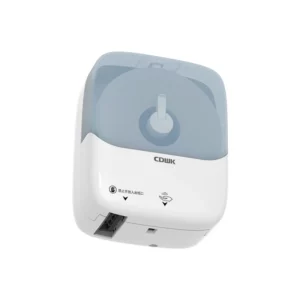
Quick Comparison: Automatic vs. Traditional Paper Dispensers
To help evaluate the operational differences, the table below highlights key performance metrics between automated and manual dispensing systems (Ratings: ★★★★★ = Excellent, ★☆☆☆☆ = Poor):
| Performance Metric | Automatic Paper Dispenser | Traditional Manual Dispenser | Key Operational Difference |
| Hygiene & Germ Control | ★★★★★ | ★★☆☆☆ | Hands-free sensor vs. shared contact points |
| Dispensing Precision | ★★★★★ | ★☆☆☆☆ | Pre-set sheet lengths vs. unmeasured pulling |
| Paper Savings Impact | ★★★★☆ | ★★☆☆☆ | 25% to 45% consumption reduction |
| Maintenance Efficiency | ★★★★☆ | ★★☆☆☆ | Jumbo capacity & sight windows vs. frequent refills |
| Restroom Floor Neatness | ★★★★★ | ★★☆☆☆ | Clean motorized cuts vs. ragged paper scraps |
| Long-Term Cost ROI | ★★★★★ | ★★☆☆☆ | Lower total cost of ownership over time |
1. Elevating Hygiene Standards with an Automatic Paper Dispenser
Public bathrooms are particularly susceptible to cross-contamination due to germs. Multiple surface sampling tests have found dense populations of germs such as bacteria and viruses on levers or push buttons, which are commonly found in these dispensers.
Touchless Function Eliminates Contamination
The automatic paper dispenser employs infrared sensors that detect the motion of the hand. The machine will then dispense a clean piece of paper without requiring any physical contact from the user. Breaking the path of contamination makes this model an absolute must-have for medical offices and food handling facilities.
Encased Protection Ensures Cleanliness
Open wire baskets or folded-towel dispensers leave the unused paper open to environmental elements such as water from the sink and air contaminants. Automatic Paper Dispensers keep all unused paper encased in a protective housing and dispense only when needed.
2. Cutting Paper Costs and Reducing Waste via Automatic Paper Dispensers
The cost of paper towels is an important periodic cost of facility management. In cases where manual roll dispensers are installed, many customers pull off more paper than required and leave the tails or simply throw away the excess paper right away.
Sheet Length Control and Delayed Dispensing
An Automatic Paper Dispenser is designed to deliver controlled use, meaning that a manager can program a specific sheet length – which varies from 8 to 12 inches per cycle. Most dispensers come with an interval of 2-3 seconds between each dispensed sheet of paper. This simple function is meant to discourage customers from pulling out sheets of paper automatically and force them to dry their hands with the exact amount of paper needed.
Return on Investment (ROI)
Based on field data from commercial facilities, switching from manual to an automatic dispensing system results in saving 25% to 45% of paper towels. The initial cost of automated machines is slightly higher; however, the savings on paper stock help pay back the cost of hardware within 6-9 months.
3. Streamlining Janitorial Workflows and Maintenance (Automatic Paper Dispenser Efficiency)
The cleanliness of restrooms affects how the overall impression is formed about the building. But custodians tend to spend long hours unblocking jammed dispensers or replacing empty dispensers during peak periods.
High Capacity & Intelligent Monitoring Features
In commercial units, a lot of attention is paid to minimizing the effort in maintaining equipment. For instance, CDWK large-capacity public toilet hand paper towel dispensers are designed for high-traffic facilities with a durable, shock-resistant ABS casing, a clear viewing panel, and key-lockable construction. The unit allows custodians to see the status of the paper roll without unlocking the dispenser, whereas the large capacity makes it possible to use jumbo paper rolls, which reduces the number of roll replacements significantly.
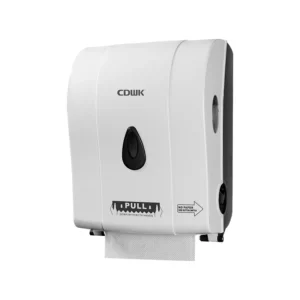
Avoiding Paper Jams and Litter in the Restrooms
High-quality sensor dispensers feature motorized drive rollers and precise blades inside to ensure consistent and clean tearing. This means that there will be no uneven tears and scraps on the floor next to the washroom sinks.
4. Improving Visitors’ Experience with Automatic Paper Dispenser
Besides cleanliness and expense management, facilities with such amenities ensure that high-quality service is provided to those who use the toilet.
Smooth and Seamless Interaction with Dispensing Machine
A lot of manual dispensers tend to get jammed either because of the changing roll weight or accumulation of paper within the exit hole of the machine. Sensor-driven technology ensures smooth dispensing of paper each and every time. There is no need to struggle with a sticky lever or look for the torn end of the paper sheet.
Elegant and Professional Look
Elegant wall-mounted units make any restroom look more attractive. No matter if it is matte ABS or brushed stainless steel finish, an Automatic Paper Dispenser blends in perfectly with architectural elements of Class-A offices, luxury hotels, and modern airport lounges.
5. Promoting Environmental Objectives of a Company (Environmental Benefits of Automatic Paper Dispenser)
Reduction of raw material usage during operation is one of the pillars of current ESG (Environmental, Social, and Governance) initiatives and green buildings’ certification.
Minimization of Carbon Footprint
Since it helps reduce the use of paper, the Automatic Paper Dispenser prevents the excessive cutting down of trees for making paper, as well as industrial water usage and energy consumption during paper manufacturing. It also helps reduce the amount of garbage, thus reducing the number of garbage bags and landfill expenses.
Visibility of the Environmental Initiative
The installation of resource-efficient bathroom fixtures gives building managers the possibility of proving their commitment to sustainability.
Conclusion
The implementation of an Automatic Paper Dispenser should be considered not only an external cosmetic improvement for a commercial bathroom, but also an important investment decision, which will bring obvious benefits in the areas of hygiene control, cost savings, and labor effectiveness. By avoiding unnecessary touches, saving paper thanks to precise distribution, and helping to lighten the load for maintenance workers, automatic dispensers will easily outdo traditional manual ones in any possible aspect. When designing a renovation project or equipping a new construction project, choosing a reliable Automatic Paper Dispenser would be a logical step for you.
0