
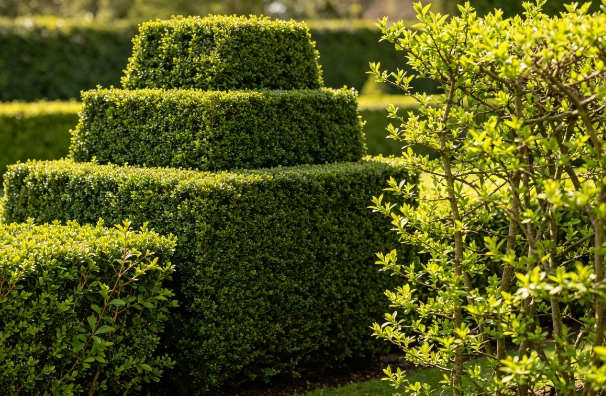
A ligustrum tree is widely valued in landscaping because of its fast growth, dense foliage, and ability to form elegant hedges or standalone ornamental shapes. However, without regular pruning, it can quickly become overgrown, uneven, and less healthy. Many gardeners struggle with knowing the correct pruning frequency, especially since cutting too often or too little can both affect plant development. In general, the pruning schedule depends on growth speed, plant age, and the desired shape, but a consistent routine is key to achieving strong structure and vibrant foliage throughout the year.
Why Pruning Is Essential for a Ligustrum Tree
Pruning is not just about appearance; it directly influences the long-term health and performance of a ligustrum tree. Proper trimming ensures the plant grows in a controlled and balanced way.
- Encourages dense and compact growth
Regular cutting stimulates new shoots from the base and inner branches. This results in a fuller canopy, which is especially important for hedges that require privacy coverage. Without pruning, the inner structure may become thin and woody over time. - Prevents overgrowth and structural imbalance
A ligustrum treecan grow rapidly in warm seasons. If left unmanaged, it may develop uneven branches that lean outward or compete for space. Pruning helps redistribute growth and maintain a stable structure. - Reduces disease and pest risks
Dense, untrimmed foliage traps moisture and limits airflow. This creates an environment where fungi and insects can thrive. By thinning crowded areas, pruning improves ventilation and reduces health risks. - Improves sunlight exposure
When outer branches become too thick, lower leaves often receive insufficient light. Selective trimming ensures sunlight reaches all parts of the plant, supporting even growth.
Recommended Pruning Frequency Throughout the Year
The ideal pruning frequency for a ligustrum tree depends on whether it is young, mature, or used as a formal hedge. Generally, it requires multiple light trims rather than one heavy cut.
Young Plants (Establishment Stage)
Young plants need frequent shaping to build a strong foundation.
- Trim lightly every 6–8 weeks during active growth seasons to encourage branching.
- Focus on removing weak or misdirected shoots rather than large sections.
- Avoid heavy cutting because young roots still need ample foliage for energy production.
Mature Plants (Stable Growth Stage)
Established ligustrum trees are more flexible but still need routine maintenance.
- Spring Pruning for Structure
This is the most important cut of the year. Before new shoots emerge, remove winter-damaged parts and shape the plant. - Summer Maintenance Trimming
During peak growth, light trimming every 1–2 months helps control size and maintain symmetry, especially for hedges. - Occasional Autumn Cleaning
Remove excess or messy branches to prepare the plant for dormancy, but avoid heavy cutting late in the season.
Best Pruning Methods for Healthy Development
Correct technique ensures that pruning supports, rather than harms, plant growth. A ligustrum tree responds best to clean, consistent cuts.
- Use gradual trimming instead of drastic cuts
Instead of removing large portions at once, reduce growth step by step. This keeps the plant from experiencing stress and encourages steady regeneration. - Maintain a natural tapered shape
The base should be slightly wider than the top so sunlight can reach lower branches. This prevents thinning and improves overall density. - Cut just above leaf nodes or branch junctions
This helps guide new shoots to grow in the intended direction and prevents the formation of unsightly stubs that may eventually wither and die. - Remove dead or crossing branches immediately
These branches waste energy and may block healthy growth. Eliminating them improves plant efficiency and structure.
Common Mistakes to Avoid When Pruning
Even experienced gardeners sometimes make errors that negatively affect a ligustrum tree’s health. Avoiding these issues ensures long-term success.
One common mistake is over-pruning. Removing excessive leaves weakens the plant’s ability to generate energy, thereby delaying recovery and stunting growth. Another issue is irregular timing. Skipping multiple seasons of pruning often results in dense outer growth and a hollow interior, making the plant difficult to reshape later.
Using dull or unclean tools is another problem. It can damage branches and introduce diseases. Finally, pruning during extreme weather conditions—such as peak heat or frost—can stress the plant and delay healing.
Conclusion
Knowing how often to prune a ligustrum tree is essential for maintaining its beauty, structure, and long-term health. Young plants benefit from frequent light trimming, while mature trees require seasonal maintenance throughout the year. By following a balanced pruning schedule and using proper techniques, gardeners can promote dense foliage, strong branching, and an attractive shape. Consistent care ensures that the ligustrum remains a reliable and visually appealing feature in any landscape.
0