
The History and Culture of Diwali
The Festival of Lights, otherwise known as Diwali, has been an integral part of Indian culture for thousands of years. The festival occurs from October to November on the basis of the lunisolar calendar and symbolizes a positive message of hope, rebirth, and renewal. Diwali can be described as the celebration of the victory of light over darkness, goodness over evil, and knowledge over uncertainty.
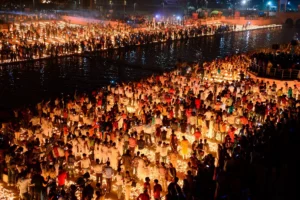
Despite the fact that Diwali celebrations may vary across different regions and different social groups, there is always one tradition that remains the same – lighting diyas, traditional oil lamps, which are one of the main symbols of this festival. Lighting of diyas during Diwali occurs at entrances, windows, temples, and other places in order to attract blessings.
Lighting of diyas during Diwali is more than just the decoration of homes and streets. For many families, lighting diyas symbolizes:
- Hope and positivity: bringing light into life and leaving behind all the troubles
- Prosperity and blessings: attracting happiness and luck for the upcoming year
- Knowledge and wisdom: ability to overcome ignorance and uncertainties
- New beginnings: marking a fresh start filled with positive energy
Through a simple flame, Diwali expresses a universal idea: even a small light can create warmth, direction, and hope.
Ancient Myths Surrounding the Diwali Tradition
Some myths associated with the origin of Diwali are as follows. Each part of India has a different myth regarding the origin of this festival.
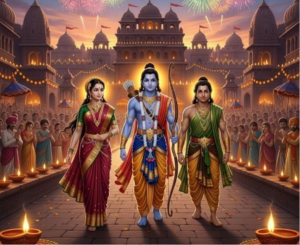
According to one of the most popular myths of Diwali, the epic of India, the Ramayana, is associated with the celebration of this festival. It is believed that Prince Rama was able to defeat the demon Ravana and returned to his homeland Ayodhya after being in exile for 14 years. As a token of their victory, people of the locality lit thousands of lamps on that day.
From the above myth emerged the tradition of lighting lamps during the celebration of Diwali. Slowly, the lamp became symbolic of courage, justice, and good prevailing over evil. Apart from the above tradition, the other regional traditions also make Diwali meaningful:
| Region | Cultural Story |
| Northern India | Celebrates Rama’s return to Ayodhya |
| Southern India | Honors Krishna’s victory over Narakasura |
| Many Hindu communities | Worship Goddess Lakshmi for wealth and prosperity |
| Jain communities | Commemorates spiritual enlightenment |
These different stories show the cultural diversity behind the same festival.
Why Diyas Become the Symbolic Product of Diwali
A diya is a small oil lamp made usually of clay. The simple construction of a diya consists of a cup-like body filled with oil or ghee and having a cotton wick at its bottom. However, all the parts of the diya have their own symbolic significance.
The traditional diya symbolizes the relationship between the physical and the spiritual.
- Clay body: represents human existence and the connection with nature
- Oil: symbolizes energy, dedication, and continuous effort
- Wick: represents the connection between people and spirituality
- Flame: represents knowledge, purity, and hope
For centuries, artisans have created handmade diyas using traditional techniques. Many lamps feature painted flowers, religious patterns, and decorative details, making them not only festival supplies but also examples of Indian handicrafts.
Today, diya products have developed into various forms:
| Type | Features |
| Traditional clay diya | Handmade, authentic, commonly used for rituals |
| Painted decorative diya | Adds artistic value for home decoration |
| Brass or metal diya | Durable and often used as long-term decoration |
| LED diya | Safer, reusable, suitable for modern homes |
These designs allow traditional culture to fit different lifestyles.
Traditional Decorations That Create the Diwali Atmosphere
While diyas are the most popular symbols of Diwali, there are also other decorations that create the Diwali mood.
One such popular decoration is Rangoli, which is a traditional floor decoration with the help of colored powders, flower petals, rice grains, or sand. Rangoli is normally created at the entrance of homes because it is thought to bring luck and positivity into the house.
Some Diwali decorations include:
- Designs of Rangoli: welcoming, creative, and prosperous
- Marigold flower garlands: happy celebrations
- Rangoli designs: symbolize welcome, creativity, and prosperity
- Marigold flower garlands: represent happiness and celebration
- Decorative lanterns: create warm lighting effects
- Gift boxes and sweets packaging: represent sharing and family relationships
- Symbols of traditional clothing: signify a new beginning
Many families before the festival of Diwali clean their houses and decorate them. This tradition is symbolic of shedding off all past problems and welcoming a new beginning.
In addition to the increased global appeal of Diwali, cultural products have also become widely popular seasonal ornaments across the globe.
How Modern Diwali Products Blend Tradition with Innovation
Modern lifestyles have impacted the celebrations of Diwali; however, the cultural significance of the diyas has not changed. Modern manufacturers use both culture and innovation in producing various items for Diwali celebrations.
Examples of contemporary Diwali products include:
- Rechargeable LED diyas for apartments and offices
- Ceramic decorative lamps for interior design
- Eco-friendly festival decorations
- Customized diya gift sets for celebrations and business events
They indicate how traditional culture is capable of evolving further. Rather than replacing the handmade diya, modern diyas allow the consumer to have more options for having both culture and convenience.
From the perspective of brands and producers, Diwali products are an opportunity to blend narrative into design. Cultural products that are associated with a true cultural background always have their own set of customers.
Conclusion
The diya of Diwali holds significance far beyond a simple oil lamp. This small artifact reflects thousands of years of history, cultural traditions, artistic talent, and emotions. From mythological times to contemporary festivals, the tradition of using diyas has continued to symbolize hope, prosperity, and light.
In contemporary times, the Diwali diya serves as a link between the Indian cultural tradition and the rest of the world. The lamp remains an instrument that communicates the same message – that light will make us come together and see a brighter future.
0