
When the humidity that comes with late summer finally makes way for the cooling evening breezes on the narrow streets of Kyoto, things change. This is because the air starts to carry the sweet fragrance of incense, which comes from open doors, alongside the aroma of the street foods and roasted sweetfish prepared in the traditional noryoyuka dining stages suspended above the Kamo River. For those lucky enough to experience Japan during mid-August, there is no mistaking the ambience of Obon—this is one of the most important times of year when the living invite their deceased relatives to return to the physical world.
While the image of Japan in summer conjures up images of noisy fireworks celebrations for many tourists, Obon is something quite different altogether.
Tracing the Roots: The Ancient Tradition of Ancestral Return
Urabone, or Obon, to use its contemporary name, is one of the most ancient and revered traditional occasions in Japan that combines elements of Buddhism with those of native Shinto religion. Folk tales tell us that a veil between this life and the next becomes thin during the summer season, which allows the souls of ancestors to come back home and meet their relatives.
In order not to let them lose their way in the darkness, people cleanse their houses, make certain food offerings for the spirits, and put up white lanterns as a guiding light at the entrance of their houses. These lanterns are called mukaebi, which means “welcoming fires”.
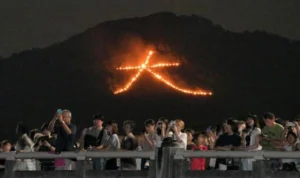
The emotional climax of this celebration takes place on about the 16th of August. It is the time when communities have to say goodbye to the spirits and send them back to where they came from. The farewell process reaches its apogee in one of the most magnificent events in the whole of Asia: the Kyoto Gozan no Okuribi, popularly called “Great Bonfire Send-off”.
Placed atop five high mountains that surround the old capital city, huge bonfires are lit all at once. Gigantic Chinese characters, like dai, which means “large,” boats, and gates of shrines, glow brilliantly amidst the totally night sky. To see such glowing strokes of fire burning brilliantly in the mountains is not so much a public activity as it is the reading of a great big letter from the whole city to the heavens above.
Bringing Obon Aesthetics Home: Traditional Crafts and Atmospheric Decor
The quiet, reflective beauty of Obon has heavily influenced Japanese interior design and lifestyle aesthetics. If you want to recreate a portion of this serene, contemplative atmosphere in your own living space, several traditional cultural items and home accessories can instantly transform the mood:
Handmade Paper Lanterns (Chōchin) and Cast Iron Wind Chimes (Fūrin)
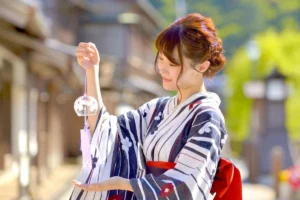
During Obon, soft light is everything. Placing an intricately designed washi paper lantern made of bamboo ribs in a reading nook diffuses a warm light and softens a whole room instantly. Complement the light with a Nanbu iron wind chime that is hanging close to an open window. The crisp sound of the chime rings through a gust of summer breeze when catching a glass or metal clapper of the chime.
Cotton Yukata Robe & Wooden Geta Shoes
The festivals should involve all senses. Even though you may not walk around in a narrow cobblestone lane in Kyoto, wearing a traditional 100% cotton yukata decorated with iconic indigo patterns, such as wave patterns (seigaiha) or cherry blossoms, will give you the feel of authentic Japan. Wooden geta sandals will remain the ultimate embodiment of laid-back comfort.
Japanese Incense & Ceramic Incense Burners (Kōro)
The scents connect one with memories. Using high-grade Japanese incense of white sandalwood, green tea, or aloeswood releases a smell of earthy notes into the atmosphere. The trail of soft blue smoke rising from the minimalist glazed ceramic burner invites contemplation after a long day.
Obon and Seasonal Aesthetics at a Glance
| Festival Component | Cultural Significance & Origin | Home Decoration Items & Objects Recommended |
| Core Philosophy | Honoring ancestors, cherishing memories, finding peace in cycles of nature | Traditional paper lanterns, cast-iron wind chimes |
| Visual Highlights | Mountain bonfires, glowing summer nights, welcoming lights | Minimalist ceramic incense burners, natural wood trays |
| Atmospheric Mood | Serene, deeply emotional, poetic, and grounded | Indigo cotton textiles, subtle woody incense |
Closing Thoughts
Not all cultures require a lot of energy and noise to be enjoyed; some just require us to take a step back, to listen and to remember our roots. The Obon ceremony and its burning mountains help us remember that love and memories do not die off, but change the way in which they glow.
Do you know any interesting cultural festivals that celebrate their roots or families? Drop a comment below, and let me know which of these traditional Japanese items you would most love to bring into your own home!
0